Summer 2026
Payments Under Surge: What World Cup Volume Taught Us
A hundred thousand traveling fans brought a payments stress test with them: international cards, six currencies of expectations, tap-to-pay everything, and volume spikes that found every weak link between terminal and processor.
The surge-proof payment stack
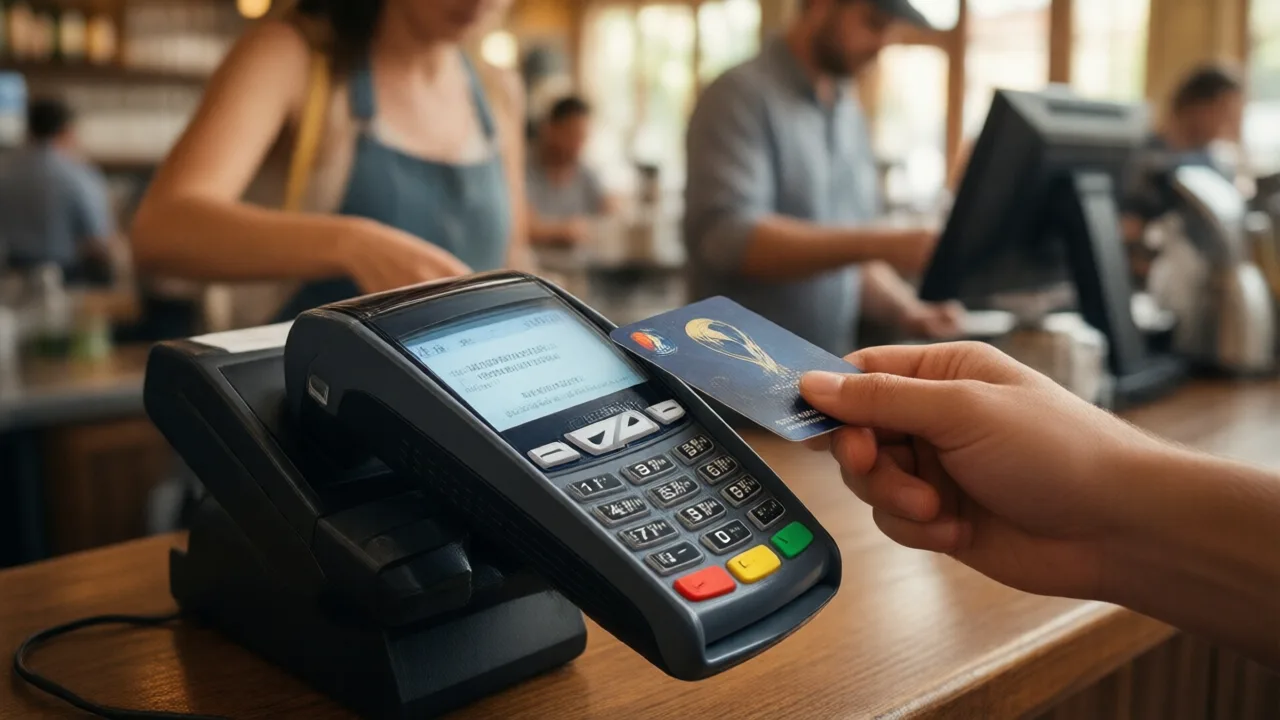
Three lessons from the group stage: offline authorization queues saved match nights when connectivity dropped (auth locally, settle later); international acceptance is a menu item now — fans walked from venues whose terminals declined foreign cards; and dual pricing survived its first mega-event summer cleanly where the disclosure was automatic at the terminal.
The five technologies defining 2026
- AI phone agents went mainstream. What was novel in 2024 is table stakes in 2026: the phone answers itself, takes orders in multiple languages, and books tables while your staff works the floor.
- Dual pricing is everywhere. Card fees pushed operators to cash-discount programs; modern POS platforms handle the disclosure and math automatically, which keeps it clean with card brands and regulators.
- Kiosks stopped being optional for QSR. Labor costs made the self-order line the default; the counter is for hospitality, not data entry.
- Commission fatigue. Operators are pulling delivery volume back to their own zero-commission ordering pages and using the marketplaces for discovery only.
- One platform instead of seven apps. The stack is consolidating: POS, online ordering, phone, loyalty and reporting from one vendor beats five integrations that blame each other.
From the KwickOS family
Built by the team behind KwickOS restaurant platform, KwickPOS (cloud + offline hybrid POS, 5,000+ locations) and the KwickPhone AI phone agent.